What is IPv6? Simple enough to explain to your kids
Every device on the internet has an address, and the old addresses have run out. Here's IPv6 explained with apartment buildings, front doors and grains of sand, no technical knowledge needed.
Mekanode ekibi
· 3 dk okuma
Imagine you're posting a letter. You write an address on the envelope, and the postman takes it there. The internet works the same way. Your phone, your laptop, your smart TV, even some fridges, all use an address when they talk on the internet. It's called an IP address.
The old addresses ran out
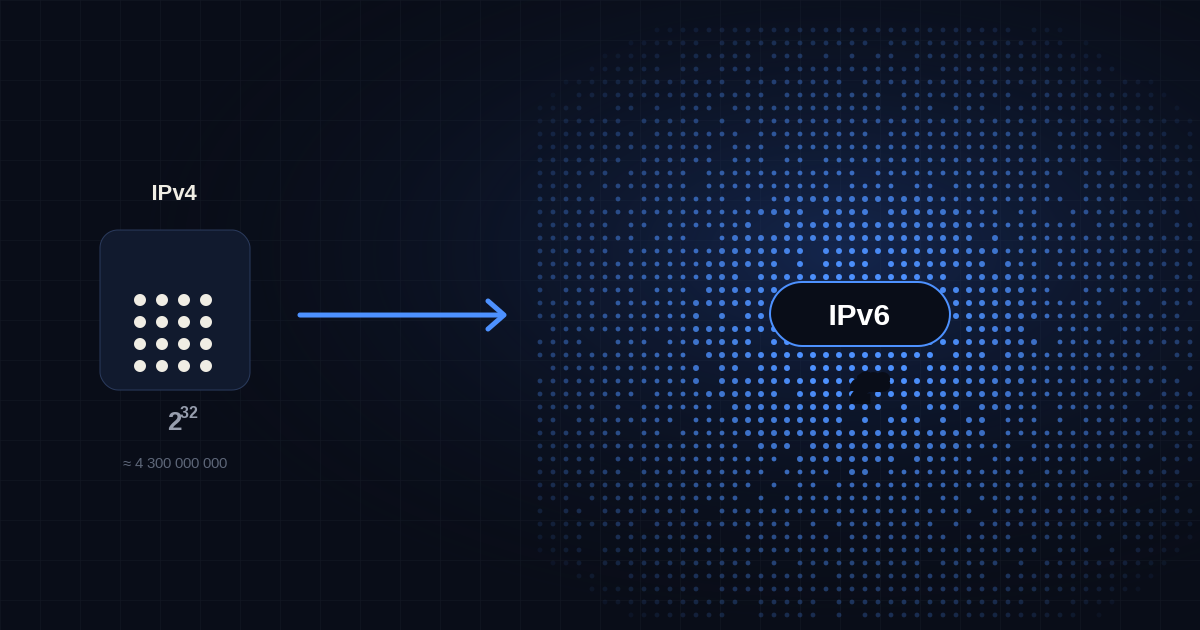
The internet's original address system, IPv4, was designed in the early 1980s. Back then a few thousand computers were online, and about 4.3 billion addresses seemed endless.
Today there are more than 8 billion people in the world. Most of us carry a phone, use a computer, and have a router and a TV at home. Do the maths: there aren't enough addresses. The world's spare IPv4 addresses began running out in 2011, and Europe's last free blocks were handed out in 2019.
An IPv4 address looks like this: 51.68.34.53. Four numbers separated by dots, each between 0 and 255.
So what happened when they ran out? The apartment trick
As addresses got scarce, internet providers found a workaround: sharing. Think of an apartment building. It has one street number but dozens of flats inside. The postman drops the letter at the front door, and the doorman works out which flat it belongs to.
Your home router is exactly that doorman. Every device in your home goes out to the internet using a single address. This is called NAT. Many providers now share one address between hundreds of homes, so there's a building inside the building.
It works, but it has a price:
- The doorman doesn't know everything. When someone outside wants to reach your device directly (a video call, an online game, watching your home camera while you're away), the doorman can get in the way.
- You pay for your neighbours. If someone sharing your address misbehaves, some websites block that address or keep asking you to prove you're not a robot.
- Everything is a bit more complicated. Networks, devices and apps do extra work to cope with it.
IPv6: a front door for everyone
IPv6 is the new address system, designed as the permanent fix. An IPv6 address looks a bit longer:
2a14:7581:3d10:42::1Groups of letters and numbers separated by colons. Don't worry, you never have to memorise them. Just like phone numbers, your device remembers them for you.
What matters is this: IPv6 has about 340 undecillion addresses. That's 340 followed by 36 zeros.
That's hard to picture, so here's a comparison: take every grain of sand on every beach and in every desert on Earth. Each grain could have billions of IPv6 addresses. Running out of addresses simply isn't a problem any more.
What does it change for you?
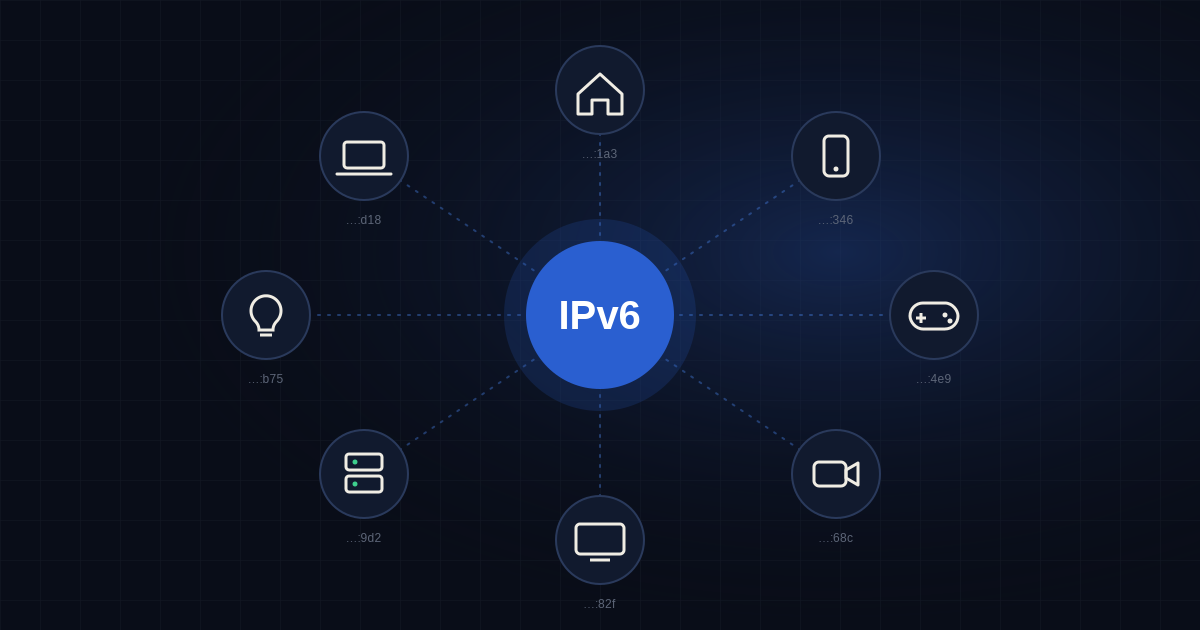
In short: every device gets its own front door, and the doorman is no longer needed.
- Video calls and online games can connect devices to each other more directly.
- There's less risk of being blocked because of what someone sharing your address did.
- Internet providers and hosting companies can build simpler networks, which in the long run means cheaper, more reliable internet.
"If I have my own front door, can anyone walk in?" No. Your router still works like a security guard, and most routers block unwanted incoming connections by default. The door is yours, and so is the key.
You might already be using it
Surprising but true: most people reading this already use IPv6 without knowing it. Almost half of all users reaching Google today arrive over IPv6. Many mobile networks give phones IPv6 addresses. Netflix, YouTube, Instagram and WhatsApp all work over IPv6.
You can find out whether your home has IPv6 in a minute. See our IPv6 test guide.
IPv6 at Mekanode
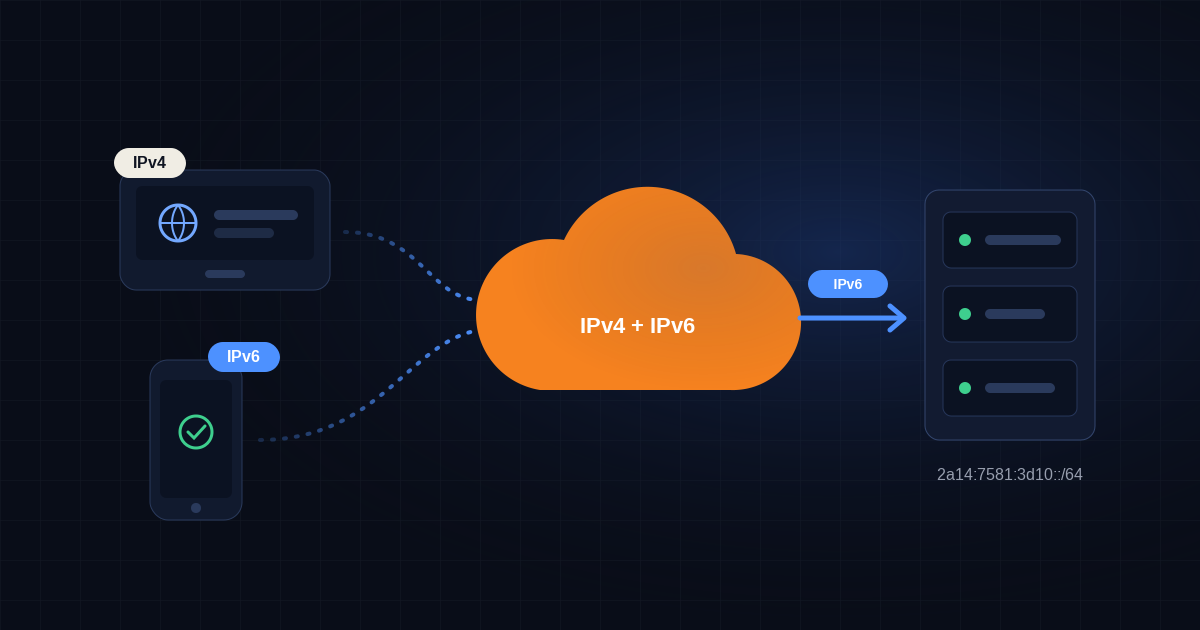
We believe in IPv6. That's why every Mekanode server, including our most affordable NAT plans, comes with its own IPv6 /64. That one block holds more than 18 quintillion addresses, billions of times more than the entire IPv4 internet. These addresses are announced to the internet by our own network, AS206115.
Curious how IPv6 makes everyday life better? Our next post is for you: 7 ways IPv6 makes life easier.
Her sunucuda gerçek IPv6 /64, NAT IPv4 ve tam root erişimi. Aylık £2.49'dan başlayan fiyatlarla, yaklaşık bir dakikada hazır.